
After months of planning, shipping, training and preparation, a solar electrification project in Kédougou, Senegal is about to begin, one that will directly protect the lives of mothers and their newborn children during childbirth.
By solar electrifying this birthing center, more than 500 woman and their arriving newborns will now give birth at night with safe lighting and a clean water—the well that services the center will now benefit from a solar pump to ensure sufficient water is on hand. The water is now supplied by a hand crank from a nearby well and the center has no electrical power.
“Nighttime births are very dangerous,” said Karine Sar, Director of the Barefoot College International Senegal regional center. “If they have to use kerosene lamps, it is a very unhealthy situation for the birth. Some midwives and nurses resort to have a light from their cellphone in their teeth while delivering the babies.”
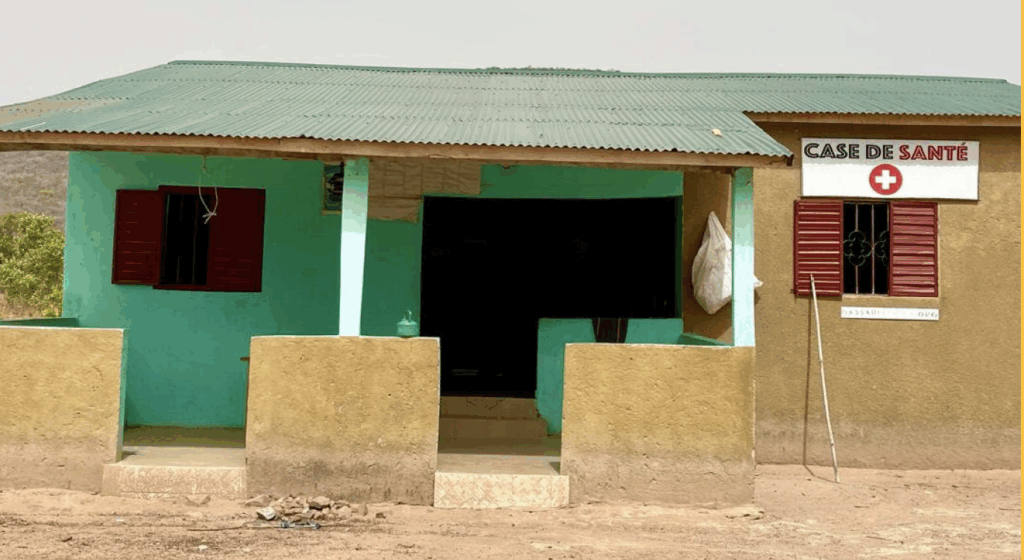
More than 500 mothers give birth at night at the center, which serves local women from 16 villages near to Kédougou. An estimated 17,500 people live in this region. Many of these women don’t even come to the birthing center.
“The Birthing Centre represents a significant improvement for women over giving birth at home attended only by family members with no medical training, as the Matron and Nurse staffing the Birthing Centre have both training and extensive experience,” said Sue Stevenson, director of strategic partnerships.
Turner and Townsend funded the installation of solar power at the birthing center. Local leaders say the electrification of the center will incentivize more women to deliver in the improved safety of the center.
The project has energized recent graduates from the Senegal training center. Cohort 3 had several trainees from the Kédougou region, including Adama Hawa Diallo, who never was allowed to attend school or training before. Despite a lot of fear about leaving her village and going to the training center, Adama says it has changed her life and is now changing the village she lives in.
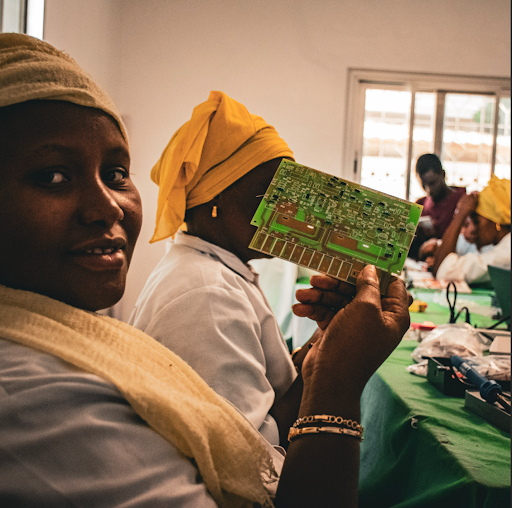
“I learned that you don’t sit and wait,” she said. “You have to take action to bring the change.”
Two graduates from that region will work together to electrify the center. The shipment of solar supplies marks the improved, higher powered solar systems that BCI has begun to ship to upcoming installations in villages in Senegal. The improved power will increase the light source, power the pump and will be longer-lasting than the previous systems.
“Seeing me as a solar engineer, and a leader who will bring change to my community is a blessing, said Faty, another recent solar graduate. “I am very proud of this work and of us as a group.”
Kédougou is located in the remote South-East of Senegal near the borders with Mali and Guinea, and is cut off from the gradual urbanization and improvements to infrastructure that have taken place in more urban centres in Senegal. The solar electrification of the birthing center will, according to local estimates, reduce the mortality rate of mothers especially, but also newborns, due to childbirth, by up to 20%, taking into account the largely preventable causes for mother and infant mortality.
Perhaps no other project exemplifies our current Big Give Campaign for Mothers and Daughters than this. Oct. 15th is the last day to have your donation matched. Please give and spread the word to your networks so we can expand work like this throughout Africa.