
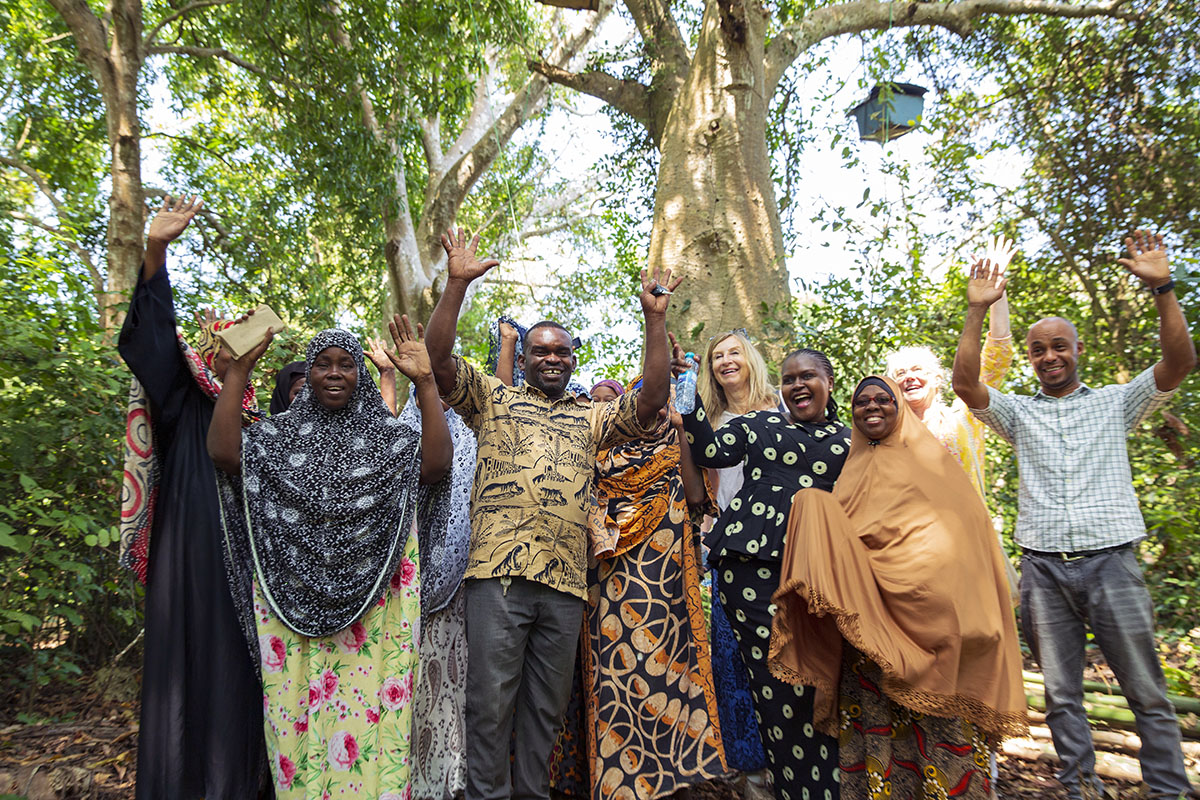
It’s a typical day at the Barefoot College International Regional Center-Zanzibar in the northern village of Kinyasini. Master trainers work in the solar lab readying for a new group of trainees. In the sewing room, two seamstresses make new clothing to be sold at the local market. Across the way in a temperature controlled environment, honey is being packaged and readied for sale. Behind that, a thriving regenerative garden, used for both new training and for commercial production is tended to by Eliah Philbert Msuha, the center’s regenerative agriculture program officer.
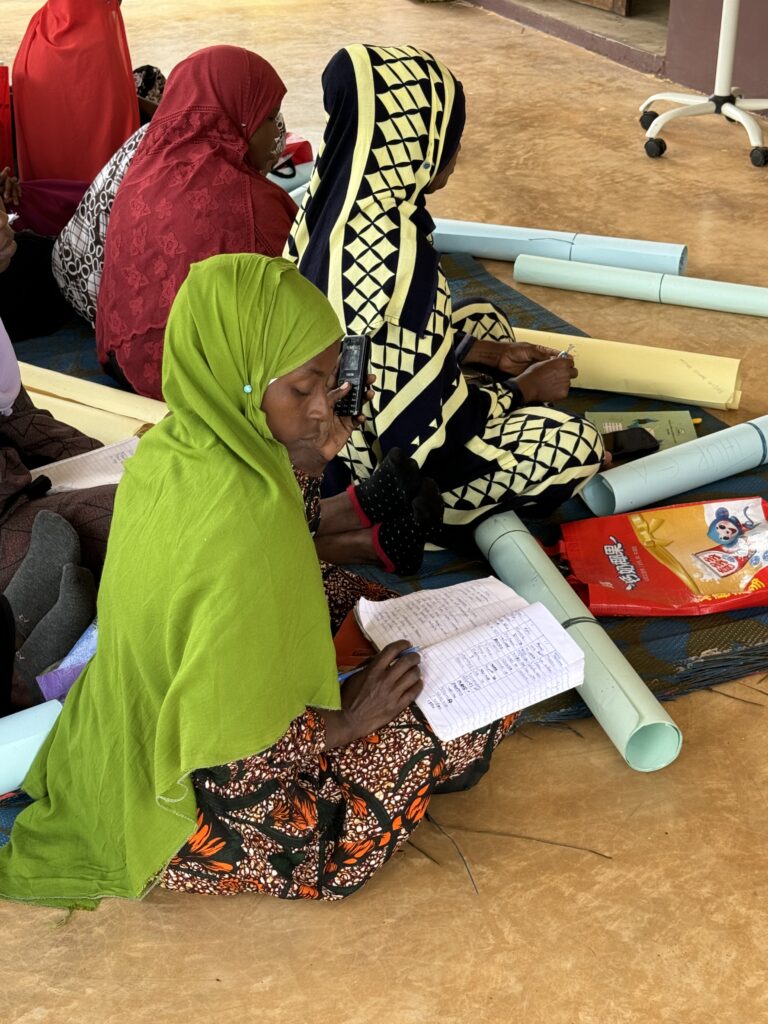
Excited noise from another part of the center attracts attention. Here, Hassan Faraj Ali, Program Manager is preparing his students for their start-up business pitches. A group of more than a dozen women, each looking younger than the other, have large scrolls broken down into 10 critical elements of what’s necessary for a successful business proposal. Many of the women practice making their pitch, part of the entrepreneurial training down here in partnership with Youth Challenge International.
We wanted to use the center for more training, so in 2023 we partnered to launch this training and then get women started,” said Brenda Geofrey, Country Director for BCI. “They pitch, then if they are approved they receive seed funding to start their micro-business.”
Faraj Hli says the group works together refining each phase of their proposal.
“The businesses have to be environmental and sustainable,” he says. “So we brainstorm what makes sense. Like, ‘I live near the ocean, so what can I do. Or I have a place for a farm…’ They have created very strong proposals with a clear market.”
Some want to run a yoga and health business for tourists to the region. Others are exploring the use of bee venom, since beekeeping is already an established enterprise among BCI trainees and the center itself. BCI is also moving to seaweed cultivation, which has inspired other new ideas.
Replace the charts with laptops and the simple patio with a WeWork conference room and the scene would be very familiar. Here, in the lush environments of an African island, it is groundbreaking by allowing a new younger generation of women to create economic uplift for themselves and their families. As youthful as these ladies appear (they must be between 18-35 to participate in the program), Geofrey states that all are married, most already have children and some are even already divorced, a reality of the religious and civil culture here in Zanzibar and throughout a lot of Africa.
“We created a nursery here so the women can participate,” Geofrey said.
Mothers of every age cast an eye to the next generation
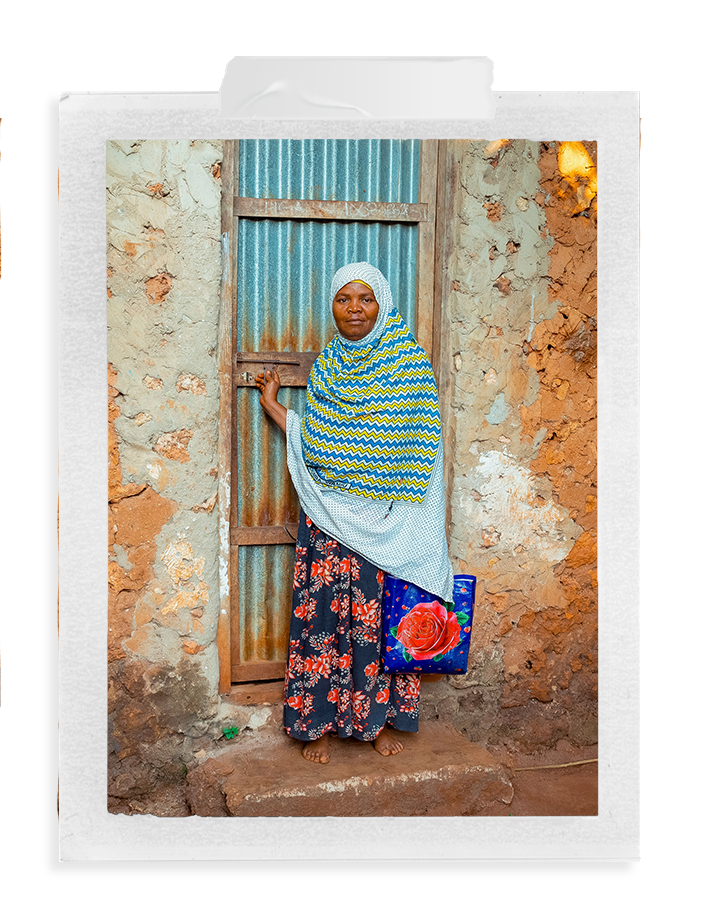
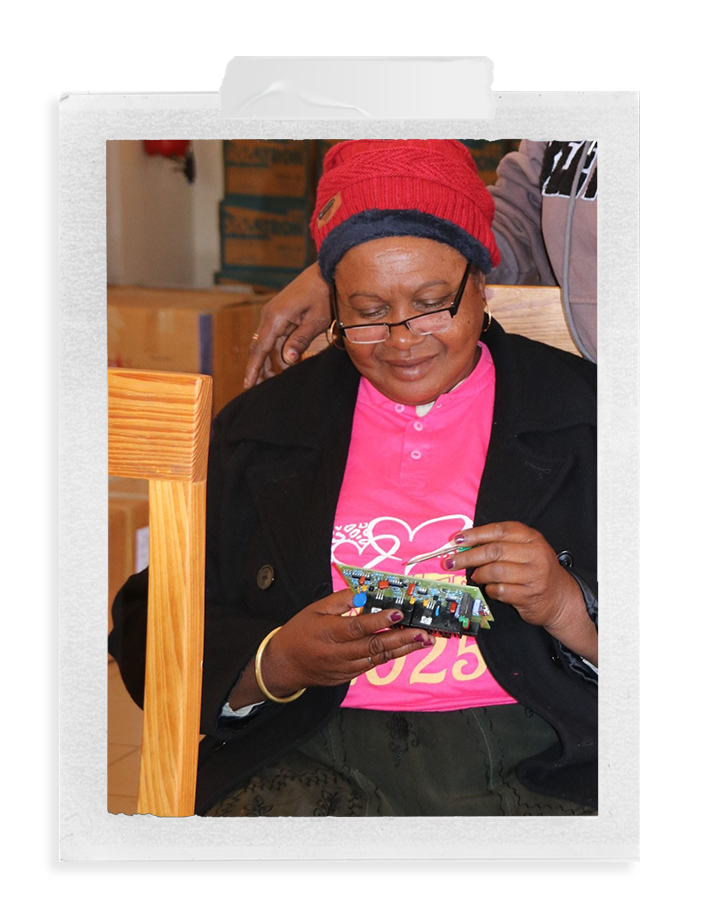
A hopeful eye to the future is evident in nearly every conversation, both here in Zanzibar and at the other African Regional Centers in Senegal and Madagascar. Program beneficiaries routinely discuss how the economic uplift they experience being part of the BCI programs has improved the lives of their families, but has also empowered them as mothers to benefit their children, especially their daughters.
“The money I have earned has allowed us to improve our life, improve our house and we can pay tuition for my children to go to school,” said Mwaka Haji Mohammed, solar engineer, from Kigongoni Village in Zanzibar. “My oldest child is able to go to university.”
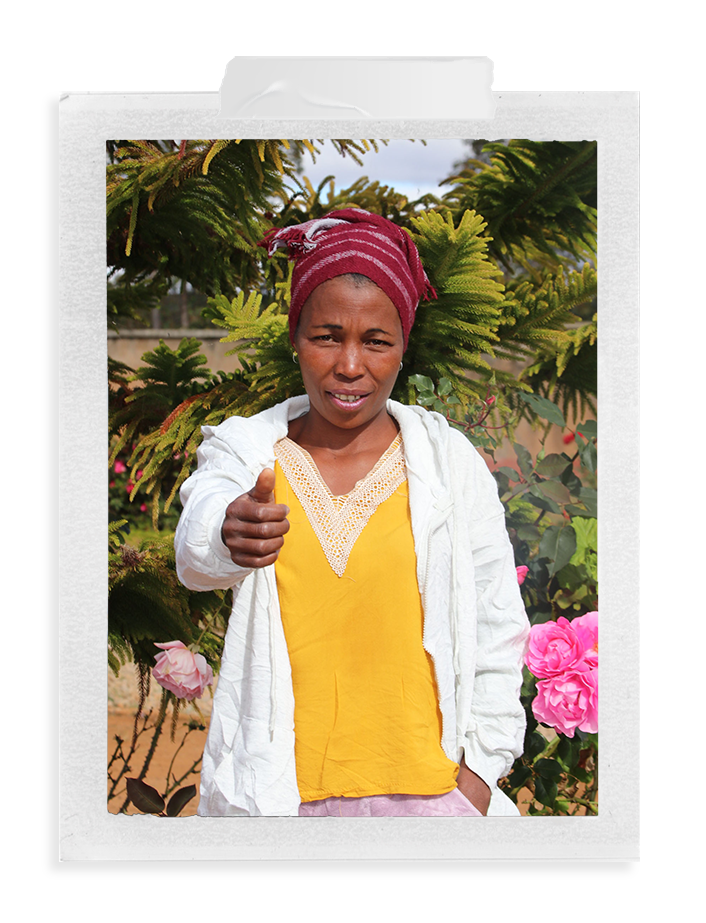
In Madagascar, a solar engineering trainee in the center’s 8th cohort, said the opportunity she has is not one available to her when she was younger.
Mamizena, a mother of six, said she’s seizing the opportunity to get a free education, changing her future and empowering her entire community.
“I never got to finish school, but the desire to learn never left me. When I found out there was a training program open to women my age, and completely free, I said yes immediately. It was finally a chance to pick up where everything had stopped,” she said.
She envisions new opportunities for her children that she didn’t have a vision that drives her training, something noticed by the master trainers. Yolande, who was trained before, electrified her village and now trains others, said she has such admiration for the motivation within this cohort.
“What I admire most about this group is their drive to succeed,” she said. “When I feel that kind of motivation, I give everything I have to pass on the best I can. In just a few days, I’ve seen how committed they are — without needing any extra push. One woman, in particular, gets up before 7am to study literacy on her own, and even on weekends, she takes time to practice sewing exercises by herself.”
The women bond over a shared drive for their future and that of their children, especially daughters who often don’t have opportunities afforded men.
This evolving impact and change has not gone unnoticed. A driver from Stonetown who visited the villages and the regional centers with the BCI leadership said he didn’t know such programs existed living less than an hour away.
“It’s amazing,” he said. “If they did this for men, I’d sign up today.”
It’s a common theme of both praise and a bit of envy in Africa, where female opportunity has historically lagged.
During a recent strategic meeting withThe Zanzibar Economic Empowerment Agency, Executive Director Juma Burhan Mohamed praised the evident impact for mothers and daughters working with BCI.
“But let’s not forget the boy child,” he said.
BCI director Sue Stevenson reminded him of the impact of all the village, the family and the children of BCI graduates when they return to their villages with solar power and launch sustainable businesses to the benefit of all. This type of ripple effect will only grow as the program’s reach expands throughout Africa, she said.
Double the impact For mothers and daughters
Barefoot College International has been named one of the beneficiaries for the The Big Give’s Women and GIrls Matching Fund, a global campaign that doubles your donation from Oct 8-15th.
By making a donation at the site here, you will immediately double your donation, double the impact and double the opportunity for the next generation of women leaders in Africa. More women launching businesses, more daughters headed off to school, more opportunity for each community where BCI trainees live and work.
The need remains sizable. More than ½ the population of Africa remains without electricity. That’s more than 600 million people. Limited energy access pushes fossil fuel reliance, risking both human health and planetary health. Burning wood leads to deforestation, soil degradation and loss of local ecosystems.
The hard work women do often goes simply to sustaining the family, Geofrey said, instead of creating economic uplift. “Eight percent of farming done by women feeds only the family. Through our programs the women are commercializing their effort, making fair trade wages for their goods and immediately benefiting their entire family and village.”
The BCI Solution in Africa Expands as the Light Shines
We partner with marginalized rural and indigenous communities, focused on education and women’s empowerment. Despite limited formal education our solar engineers spend three intensive months learning how to build, install and maintain solar home lighting systems. Each solar trainee will electrify between 25-50 homes.
Yuma, a Zanzibar solar engineer, said her salary for maintaining the solar electricity “gives her something at the end of each month to improve the life of my family.” She said her greatest accomplishment is that one of her daughters is now in university.
Efforts in Africa are expanding, which means more trainees, more villages and more light for all. New cohorts of trainees in the regional training centers in Senegal, Zanzibar, and Madagascar as launching every couple of months.
“Everything starts with light,” Stevenson said.
The sun shines on all equally, and by channeling its power into clean energy, BCI empowers trainees to become leaders in their community, learn about health, finance and even start micro-businesses. From the first of the solar switch, children can study at night, meals can be cooked in a healthy and safe way and the impact on the planet is lessened.
Your support, doubled by BigGive, amplifies this mission: you will empower women to illuminate their communities using clean energy and reduce their community’s carbon footprint.
Ready to flip the light on for mothers and daughters? Click here.
Spread the word on social, email friends and become a champion of mothers and daughters in Africa today.